SDC Bangladesh
Society Development Committee
Home About Programs Galley Contact

01. ECONOMIC EMPOWERMENT &
LIVELIHOODS


1. Microfinance Program (Agrosor, Shufolon, Jagoron, MDP, LRL, IGA, Asset Creation)

Summary:

Launched in 1988, SDC's Access to Finance (A2F) program promotes poverty reduction through inclusive microfinance, empowering women and marginalized rural communities with flexible financial services that support income generation, asset building, and sustainable livelihoods across Bangladesh.

Goal:

To reduce poverty and strengthen rural livelihoods by expanding access to inclusive, flexible microfinance services for women and marginalized communities.
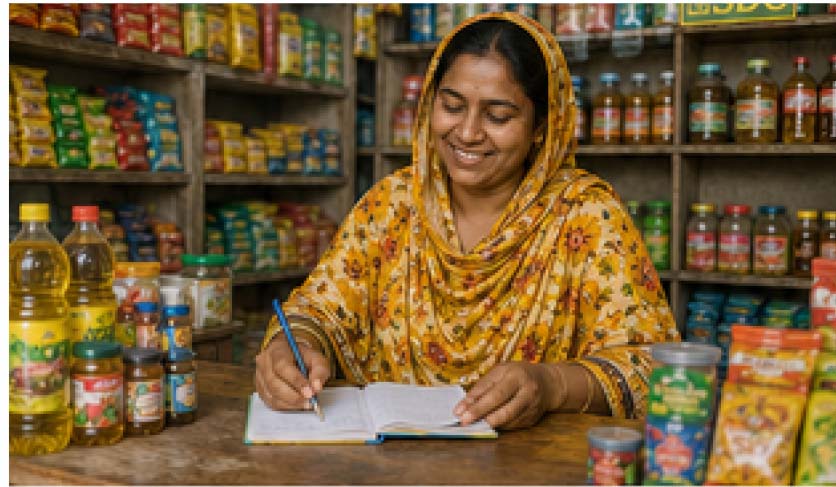
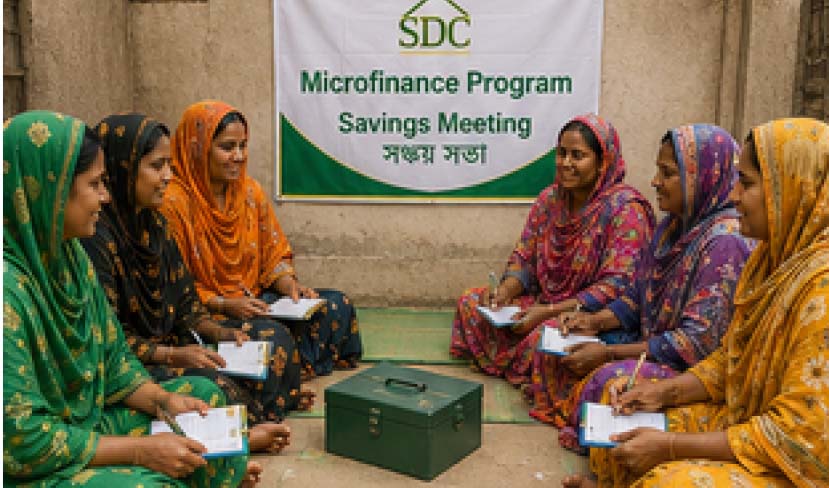
Woman in microfinance grocery shop
SDC Microfinance Program Savings Meeting

Objectives:

  • Provide small, flexible loans to support income generation and asset building among rural households.
  • Expand access to finance across key sectors, including agriculture, livestock, fisheries, micro-enterprise, and technology.
  • Strengthen rural entrepreneurship through targeted enterprise financing (Agrosor and Enterprise Finance).
  • Promote sustainable, women-led livelihoods and business growth in underserved communities.
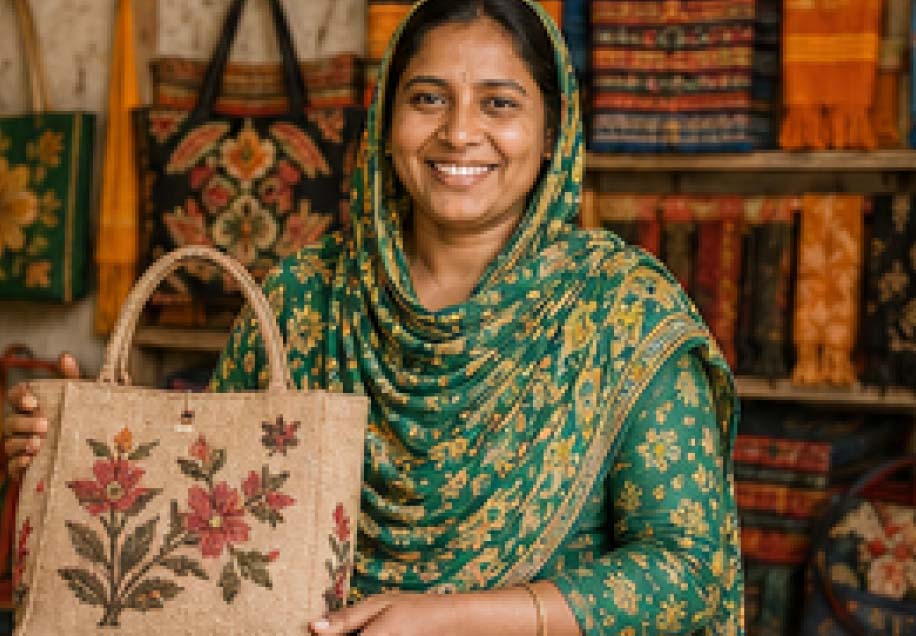
Woman smiling with handmade woven bags

Achievements:

  • Disbursed 128,472 loans totaling BDT 13,387,967,000, with cumulative disbursement reaching BDT 75,730,096,000.
  • Sector-wise disbursement included Micro Enterprise (BDT 4,827,000,000), Livestock (BDT 3,916,000,000), Agriculture (BDT 2,875,000,000), Fisheries (BDT 494,000,000), Water & Sanitation (BDT 685,000,000), Service Sector (BDT 145,630,000), Technology (BDT 93,047,000), and Other IGA (BDT 352,290,000).
  • Financed 29,731 rural start-ups and SMEs through Agrosor and Enterprise Finance, disbursing BDT 483 crore across retail, wholesale, handicrafts, agriculture, livestock, food processing, and agri-input sectors.
  • Each supported enterprise generated an average of 2.1 new jobs, strengthening rural employment and income diversification.
  • Achieved an approximately 90% business survival rate after 12 months, reflecting strong entrepreneurial sustainability and long-term rural economic growth.
2. Ecological Friendly Safe Vegetable Production and Marketing (RMTP-VEG)

Summary:

Implemented under the RMTP – Ecology Friendly Safe Vegetable Production & Marketing Value Chain Sub-Project, and funded by PKSF, IFAD, and the Embassy of Denmark, this initiative (February 2022 – December 2025) supported 11,500 predominantly poor farmers in Faridpur and Rajbari.

Goal:

To enhance the livelihoods and socio-economic resilience of farmer’s sustainable, climate-resilient, ecology-friendly vegetable production, reducing production costs and chemical input use, strengthening soil health, and expanding market access.

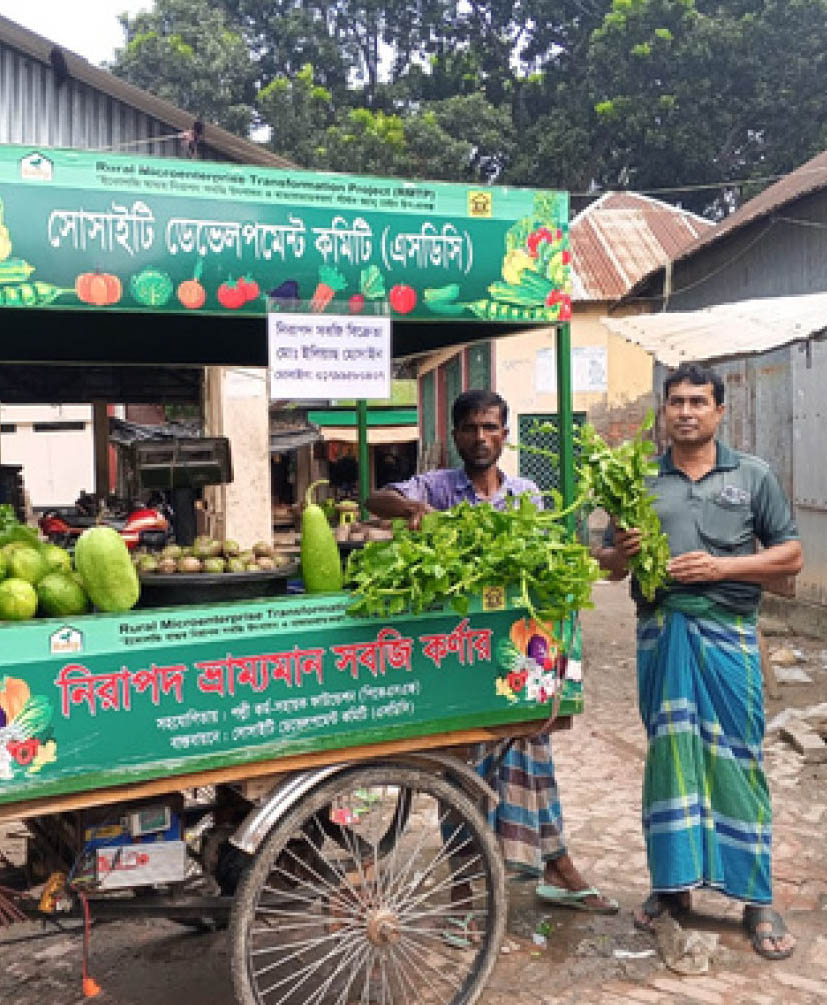
Safe vegetable marketing van with farmers

Objectives:

  • Introduce high-yielding, high-value vegetable varieties and modern horticultural practices.
  • Promote organic composting, manure management, soil testing, and organic fertilizer production.
  • Build farmer capacity through farm field schools, demonstration plots, and nursery development.
  • Strengthen women's and youth participation, digital entrepreneurship, and climate-smart innovation.
  • Improve market linkages through bazar development, collection centers, infrastructure, and quality certification.
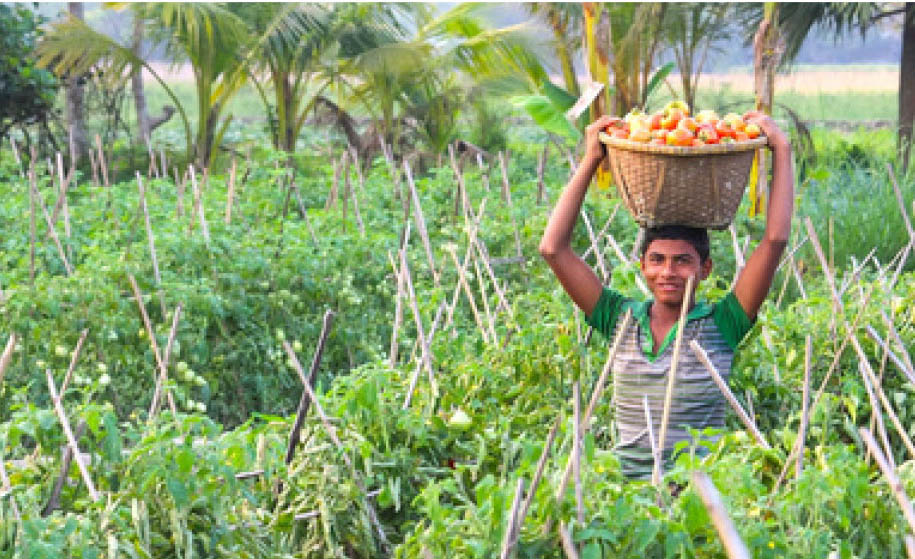
Young farmer carrying a basket of harvested tomatoes

Achievements:

  • Trained over 16,500 farmers in horticulture, nutrition, and climate-resilient practices across 22+ sessions.
  • Established 1,200+ demonstration plots (safe vegetable, high-value crop, and SMART) covering 46 hectares.
  • Boosted vegetable yields by 21% and cultivated land by 26%, while cutting chemical input use.
  • Conducted 591 soil tests, supported 7 nurseries, and grew organic fertilizer production by 67%.
  • Engaged 2,800+ young entrepreneurs in nursery management, organic inputs, cultivation, and digital business promotion.
  • Marketed 51 tons of produce through collection centers and sales outlets.
  • Secured 2 BSTI certifications and conducted 11 food-safety (MRL) tests.
  • Ran multi-channel awareness campaigns (brochures, social media, billboards) and piloted 20 waste-based product innovations.

3. RMTP – Safe Poultry and Poultry Products Market Development Value Chain

Summary:

Funded by PKSF, IFAD, and DANIDA and implemented by SDC (August 2022 – December 2025), this project transformed the poultry sector for 10,000 Desi and commercial farmers across five upazilas of Faridpur through capacity building, market linkages, and innovation.

Goal:

To increase the productivity of livestock and poultry production through financial grants and training for marginal farmers, generate employment, and improve public health in support of sustainable development and poverty alleviation.

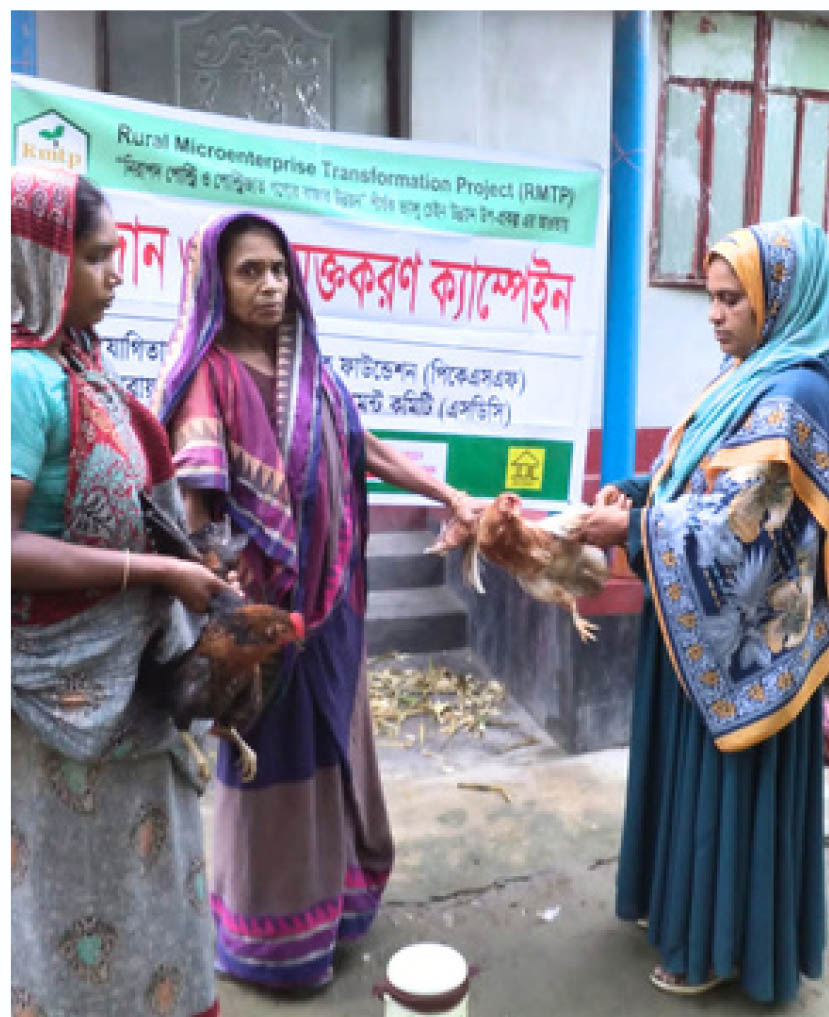
Women participating in poultry awareness and vaccination campaign

Objectives:

  • Build farmer knowledge and skills in climate-resilient, nutrition-focused poultry management.
  • Develop a network of trained Local Service Providers (LSPs) for vaccination, disease treatment, and market support.
  • Support improved poultry breeds and feed access for marginal farmers.
  • Establish safe, certified market infrastructure and processing facilities.
  • Introduce digital tools and diagnostics to improve productivity and disease control.
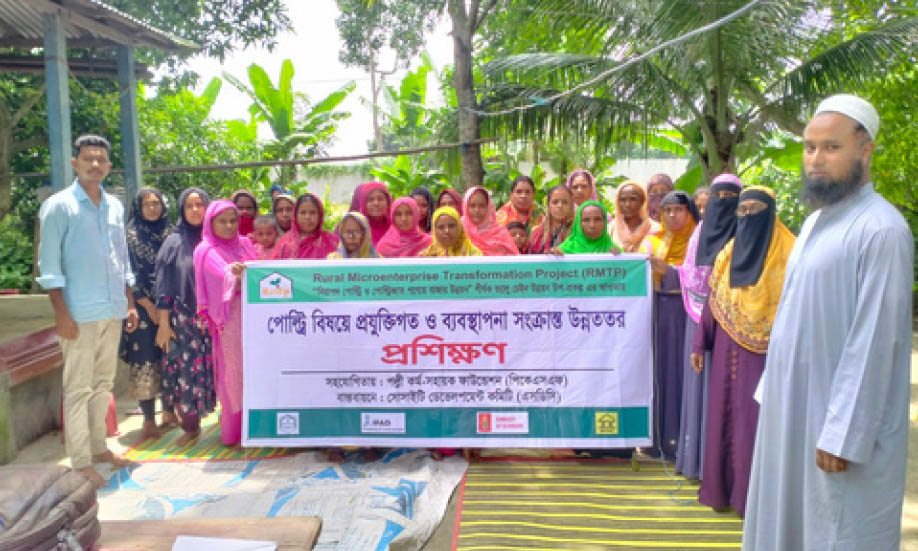
Farmers holding a training session banner outdoors

Achievements:

  • Trained 9,500 farmers in climate resilience, nutrition, and advanced farm management, improving knowledge and practices by 18.5%.
  • Trained 48 Local Service Providers (LSPs) to deliver vaccination, disease treatment, and technical and market support.
  • Distributed 1,152 tons of feed subsidies and supported improved breeds: Pekin Duck (200 farmers), Multi-color Table Chicken (200), Sonali Chicken (100), and Annono Chicken (100).
  • Installed 7 feed machines and established 2 internationally certified meat processing plants and 1 egg washing hub.
  • Opened 12 Halal & Hygienic Poultry Chain Shops and signed 100 contract farming agreements with processing plants.
  • Introduced modern hatcheries, mini hatching machines, poultry diagnostic labs (100 tests conducted), and digital apps for 500 commercial farmers and LSPs.

4. RAISE: Recovery and Advancement of Informal Sector Employment

Summary:

Implemented by SDC and funded by PKSF and the World Bank (2022–2026), RAISE supports unemployed youth, micro-entrepreneurs, and master craftspeople in the informal sector across urban and peri-urban areas of Rajbari and Faridpur, with a focus on low-income and COVID-affected youth.

Goal:

To enhance access to earning opportunities for low-income youth, including COVID-affected youth, in urban and peri-urban areas.

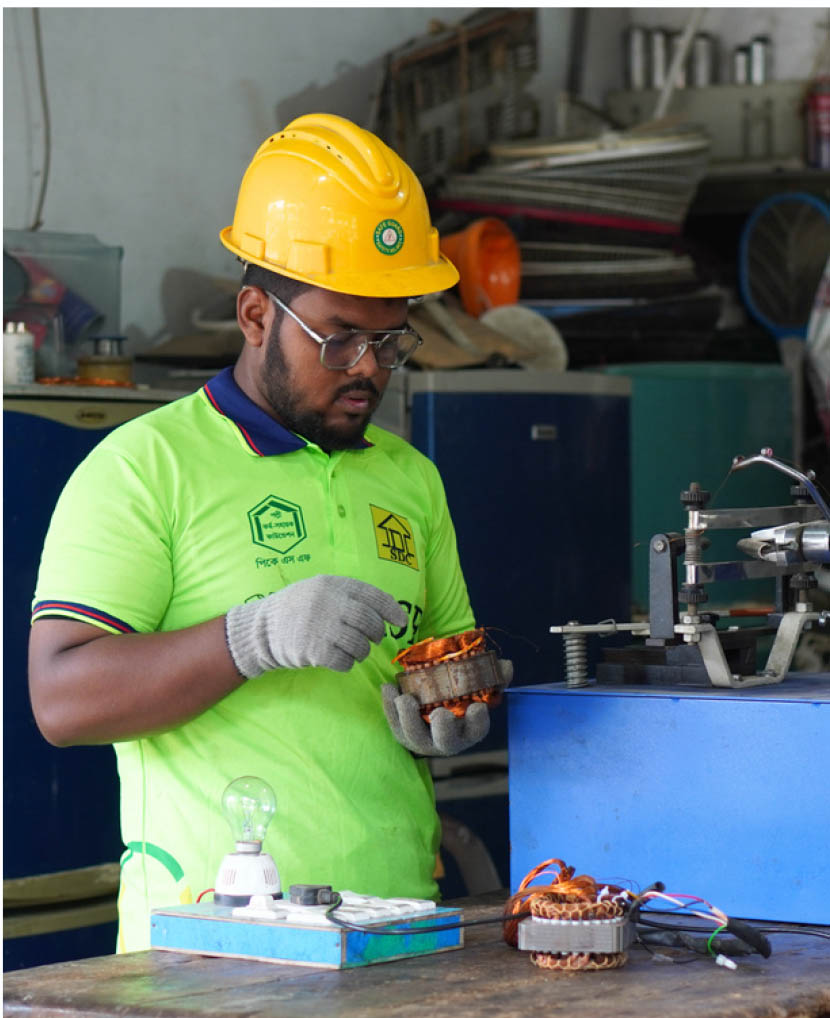
Youth undergoing electrical trade skills training

Objectives:

  • Provide trade-based skills training to unemployed youth to enable wage employment or enterprise start-up.
  • Offer entrepreneurship training and accessible loans to youth micro-entrepreneurs.
  • Deliver life skills development and master craftsperson (MCP) orientation and mentorship.
  • Facilitate apprenticeship placements and formal skills certification through RPL testing.
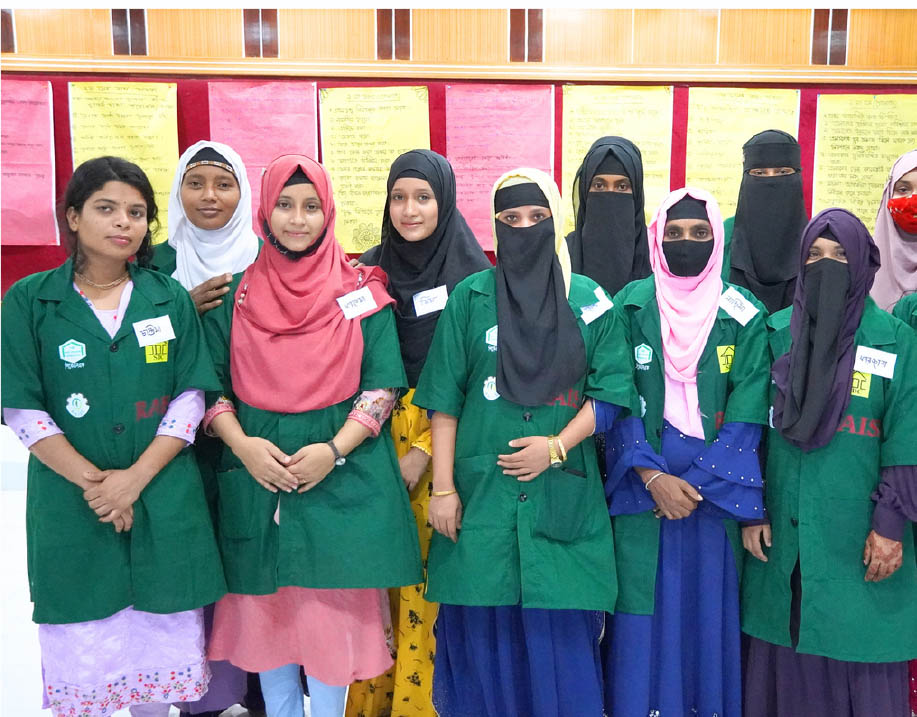
Group of women trainees in uniform standing together

Achievements:

  • Trained 570 youth across 13 trades, supporting wage employment and enterprise start-up, with an apprenticeship placement rate of 97.64%.
  • Trained 1,581 youth micro-entrepreneurs and connected them with accessible loans for business growth through 79 entrepreneurship training sessions.
  • Delivered life skills training and oriented 20 new Master Craftspersons (MCPs), with 63 existing MCPs receiving refresher training.
  • Facilitated Recognition of Prior Learning (RPL) tests for participants to formally certify their skills.
  • Organized exposure visits for entrepreneurs to successful farms and businesses to encourage innovation and best-practice adoption.
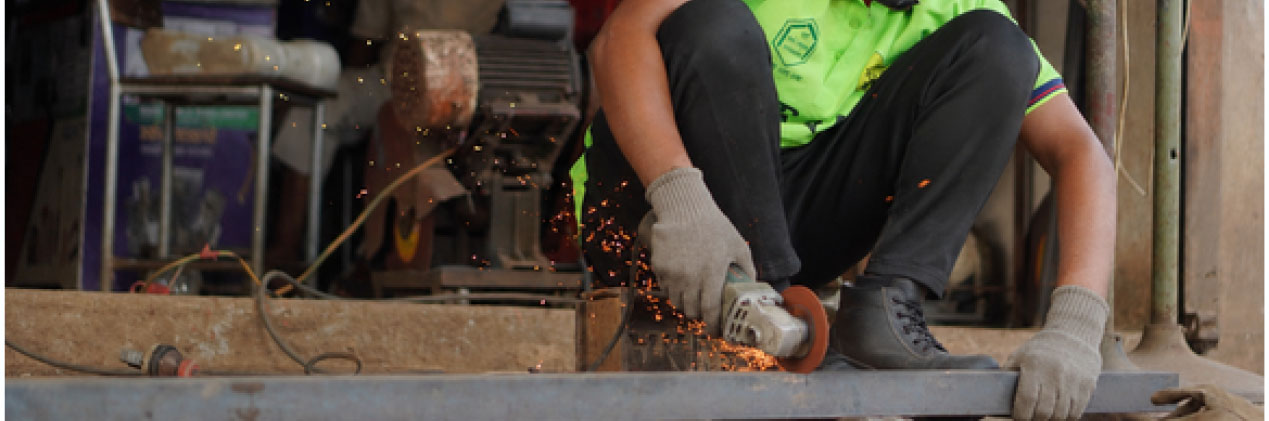
Youth apprentice cutting metal with sparks in a mechanical workshop

02. SOCIAL DEVELOPMENT &
COMMUNITY WELLBEING


1. Enhancing Resources and Increasing Capacities of Poor Households (ENRICH)

Summary:

Funded by PKSF and implemented by SDC, ENRICH transforms the lives of poor households in Boalmari Upazila's Gunboha Union, Faridpur District, through a holistic development approach targeting 23,372 individuals across all age groups.

Goal:

To transform the lives of poor households through a holistic development approach covering education, health, social empowerment, and economic resilience.

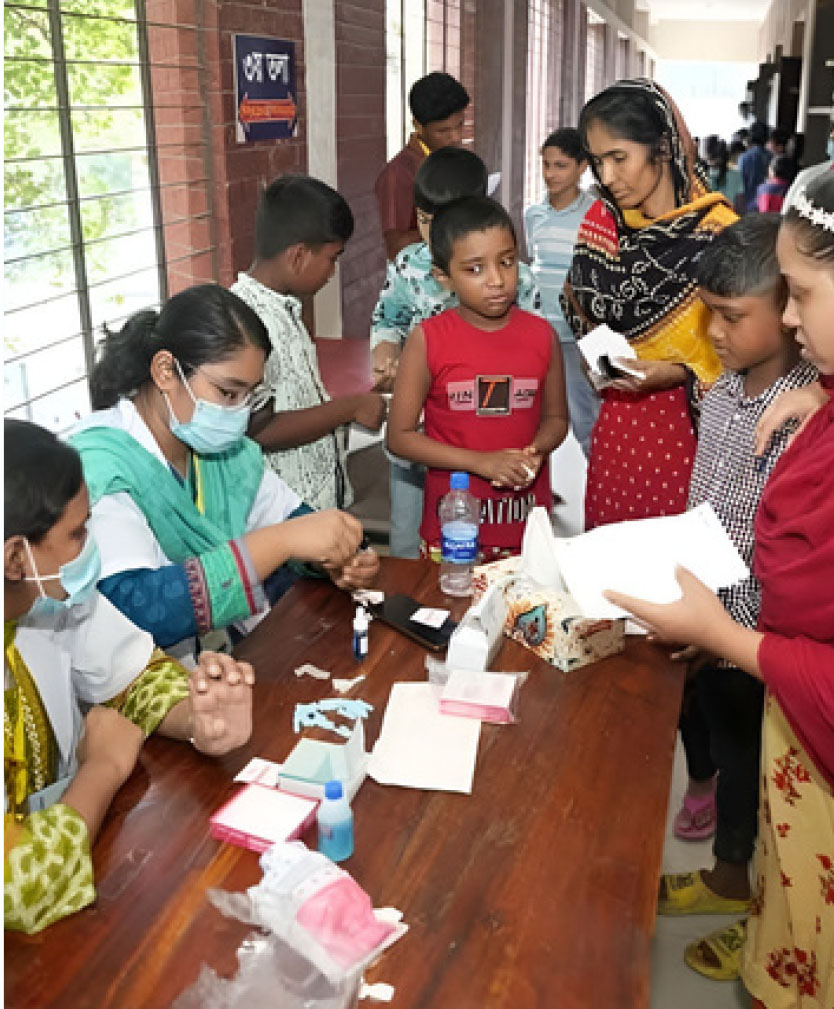
Health clinic check-up and medicine distribution for mothers and children

Objectives:

  • Establish Learning Centers and provide tutoring support to strengthen early childhood literacy.
  • Operate static and satellite health clinics to improve health literacy, diagnosis, and access to care.
  • Engage youth and adolescents through clubs and awareness sessions on social issues.
  • Support elderly inclusion through cultural engagement and essential care items.
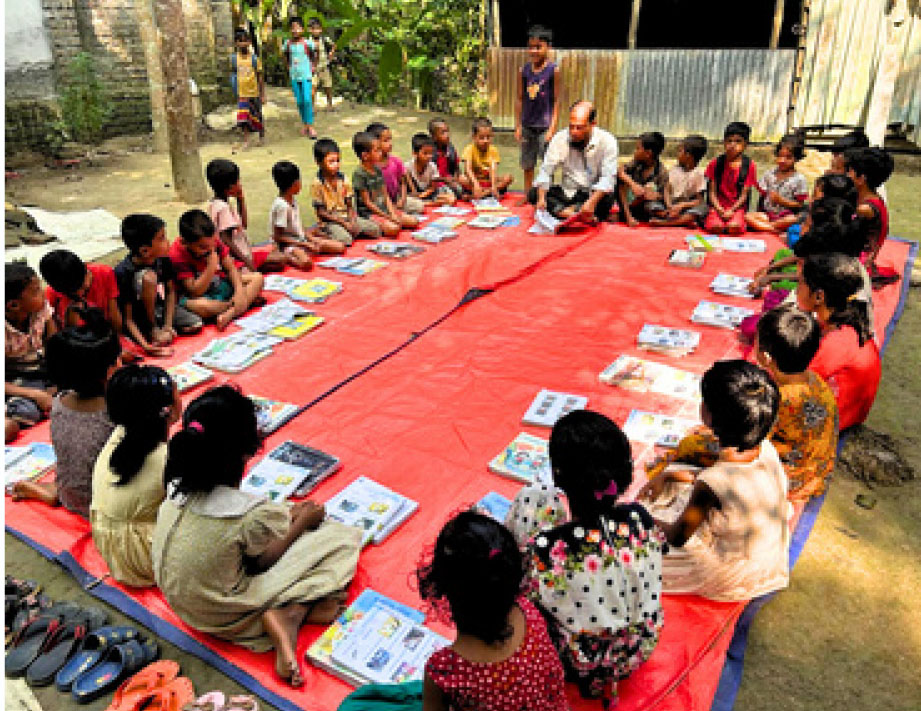
Children sitting in a circle studying at an ENRICH Learning Center

Achievements:

  • Reached 23,372 individuals in Boalmari Upazila with integrated education, health, youth, and elderly support.
  • Sponsored 461 students in Class I–II with tutoring support, achieving a 93% attendance rate.
  • Operated 146 static clinics (staffed by trained health visitors) and 15 satellite clinics (staffed by licensed MBBS physicians), including eye services for 12 individuals and diagnostic camps.
  • Engaged youth through 198 adolescent clubs (3,960 members) and 9 youth clubs (6,378 members), with 25% trained on social issues such as violence against women (VAW) and drug abuse.
  • Supported 858 older persons through cultural and welfare activities, including winter clothing, wheelchairs, and walking sticks.

2. Towards a Dignified Life for All Sanitation Workers in Bangladesh (BMGF-III)

Summary:

Funded by the Bill & Melinda Gates Foundation and implemented by SDC (July 2023 – October 2024), this project addressed the needs of sanitation workers across 11 municipalities — Faridpur, Rajbari, Magura, Meherpur, Satkhira, Kolaroa, Bagerhat, Barguna, Kalapara, Laksam, and Gazipur — promoting safer working conditions, gender inclusion, fair wages, and social protection.

Goal:

To ensure a dignified life for sanitation workers in Bangladesh by improving faecal sludge management systems, building worker capacity, and advocating for their integration into formal economies and social services.

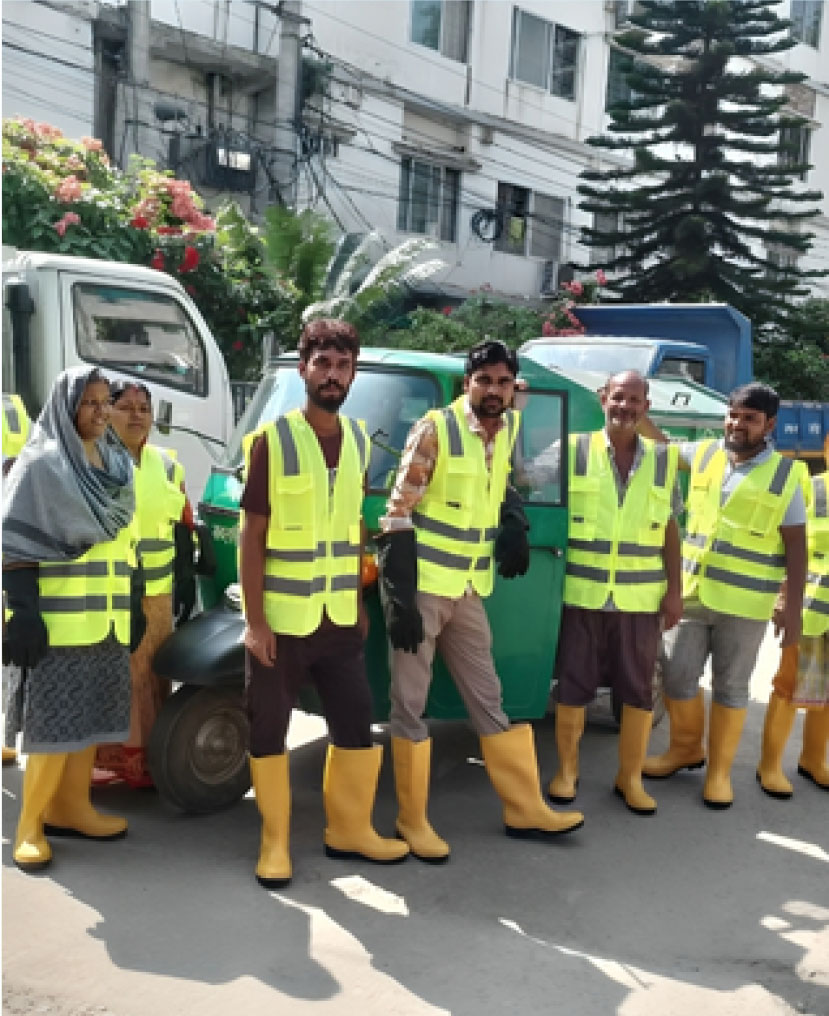
Sanitation workers wearing high-visibility vests and safety boots with vehicle

Objectives:

  • Enhance the skills and capacity of sanitation workers through training programs.
  • Promote gender inclusion and empower women sanitation workers.
  • Provide financial security through health insurance under the Social Security Scheme (SSS).
  • Foster entrepreneurship through income-generating activities.
  • Improve worker safety through the provision of protective gear.
  • Build supportive partnerships with local authorities for sustainable improvement.
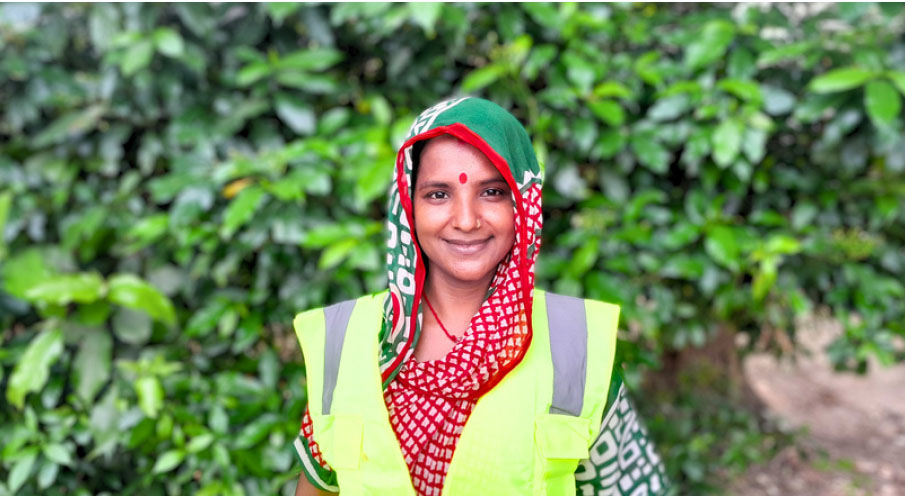
Smiling female sanitation worker in safety apron and traditional attire

Achievements:

  • Trained 1,175 sanitation workers on capacity building, gender inclusion, and social empowerment.
  • Supported 150 sanitation workers in Faridpur to collect and sell 45,000 kg of polythene for recycling, creating 5 new entrepreneurs.
  • Enrolled 1,478 sanitation workers in the Social Security Scheme (SSS), providing hospitalization and death coverage worth BDT 273,536.
  • Established a public-private partnership between Laksam Municipality and the Laksam Horizon Kollan Cooperative, generating BDT 159,582.
  • Distributed 295 pairs of gumboots, 295 masks, 311 vests/aprons, and 295 pairs of gloves to improve worker safety.
  • Built a dedicated meeting space for sanitation workers in Bagerhat Municipality for decision-making and monthly meetings.

03. CLIMATE, ENVIRONMENT & WASH


1. Waste Management Project & Compost Research and Training Center (CRTC)

Summary:

Since September 2017, SDC has collaborated with Faridpur Municipality and Practical Action Bangladesh to transform city and kitchen waste into bio-fertilizer, promoting sustainable agriculture and a cleaner urban environment. The initiative's Compost Research and Training Centre (CRTC) in Faridpur further advances co-compost production from kitchen waste and faecal sludge.

Goal:

To promote sustainable agriculture through bio-fertilizer and co-compost production, and to reduce environmental pollution by improving waste collection, treatment, and management systems.

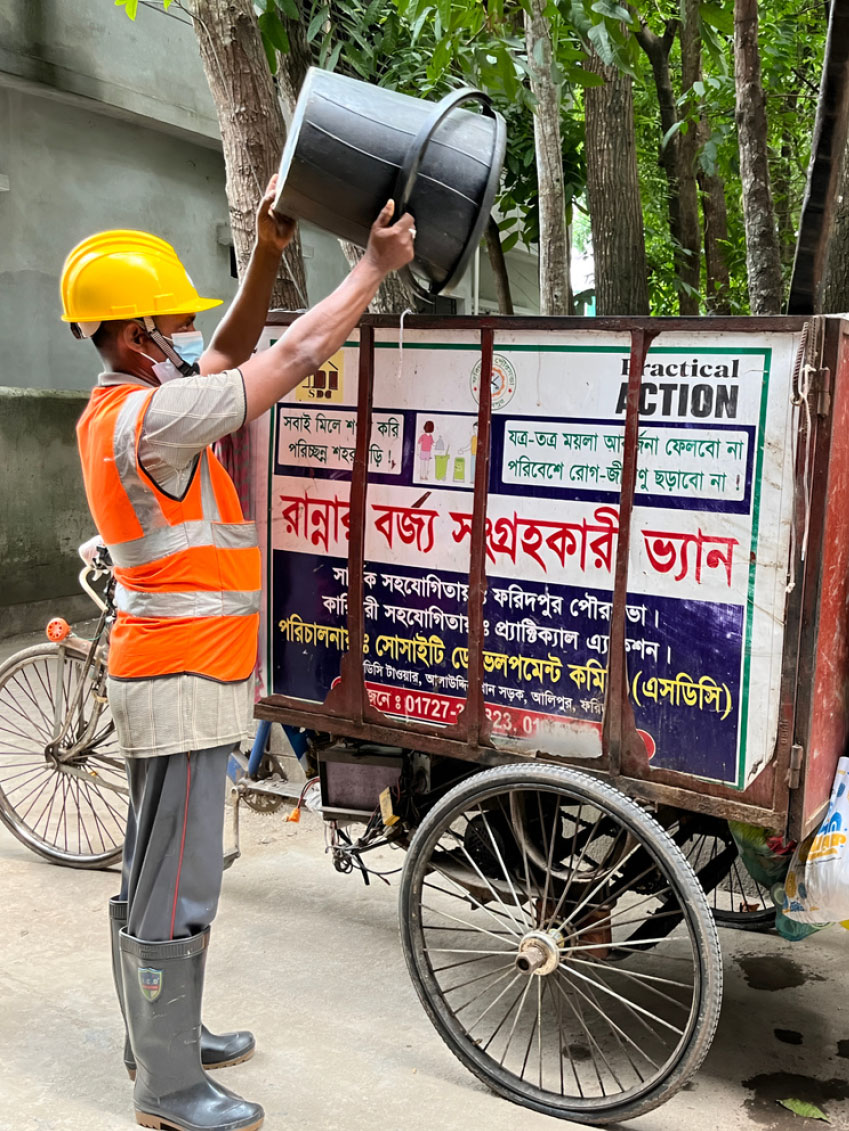
Sanitation worker loading kitchen waste into collection van

Objectives:

  • Promote sustainable agriculture through bio-fertilizer production from city and kitchen waste.
  • Maintain urban cleanliness by managing waste from households, restaurants, and healthcare facilities.
  • Enhance public health by reducing environmental pollution and supporting safe food production.
  • Produce high-quality co-compost through proper treatment of kitchen waste and fecal sludge.
  • Strengthen community participation in waste segregation and organic farming.
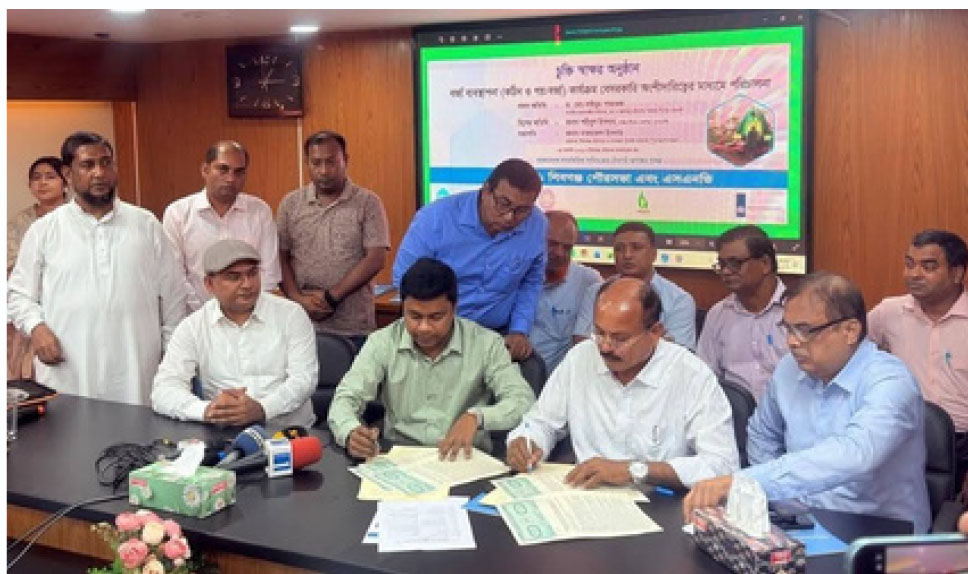
Stakeholder consultation meeting and presentation session

Achievements:

  • Collects waste daily from 9,400 households, 40 restaurants, and 107 clinics/hospitals, producing approximately 14,500 kg of bio-fertilizer annually.
  • CRTC collected 8,760 tons of kitchen waste and 3,500 tons of faecal sludge in 2024–25, producing 3,450 kg of co-compost, of which 2,838 kg was sold to local farmers.
  • Conducted community awareness sessions, compost demonstrations, and training on waste segregation and organic farming practices.
  • Established CRTC as a model for low-cost, community-based waste recycling and resource recovery, with plans to expand treatment capacity and adopt advanced faecal sludge treatment technologies.

2. Increasing Employment by Creating Value from Plastic Waste in Bangladesh (DMDP)

Summary:

Implemented by SDC and financed by Practical Action Bangladesh under the Danida Market Development Partnership (DMDP), this project promotes innovative waste management solutions to reduce plastic pollution and strengthen circular economy practices in Bangladesh.

Goal:

To reduce plastic pollution, improve the local environment, and promote cleaner rivers by minimizing single-use plastic disposal and lowering carbon emissions, while testing financially viable end-of-life treatment for low-value plastics and sustaining job opportunities in waste management.

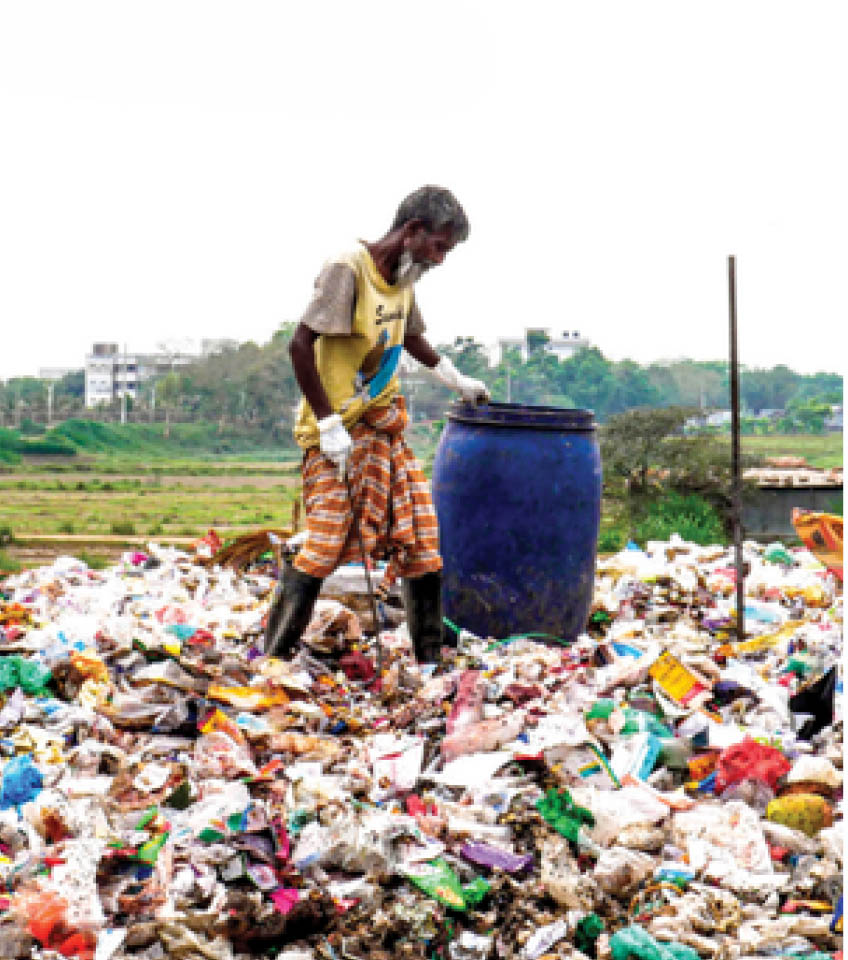
Waste worker carrying a large blue drum amidst plastic waste dumpsite

Objectives:

  • Introduce pyrolysis-based waste-to-energy technology to convert plastic waste into usable energy sources.
  • Transform discarded plastic into marketable recycled products.
  • Create livelihood and entrepreneurship opportunities in waste management and recycling.
  • Reduce plastic waste entering rivers and open dumps to improve environmental quality.
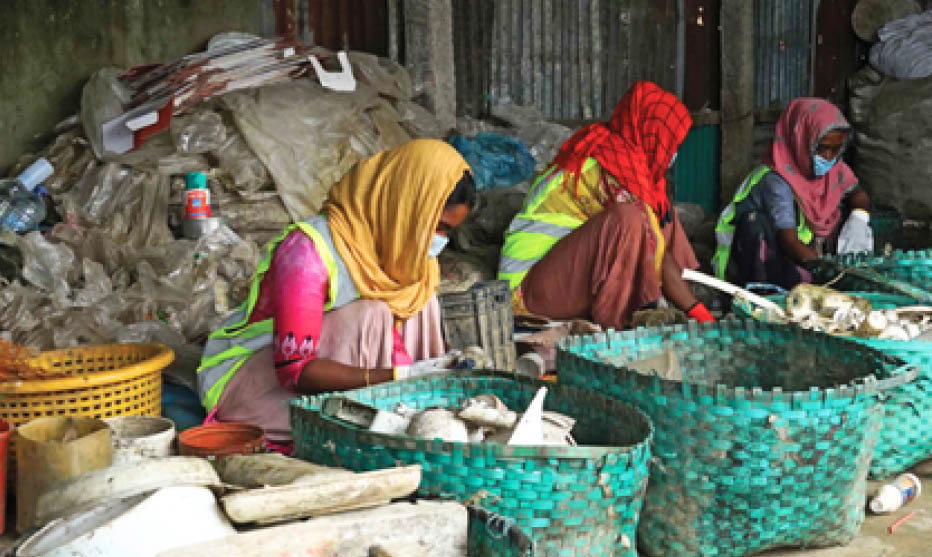
Women waste workers sorting recyclable plastic materials outdoors

Achievements:

  • Produced 5,123 liters of pyrolysis oil, along with black carbon and methane gas, as alternative energy sources from polyethylene plastics.
  • Converted plastic waste into marketable products, including wall mats, bookshelves, tea tables, stools, blocks, bins, benches, flower vases, office tables, and cloth hangers.
  • Benefited more than 400 people directly through improved livelihoods, skill development, and environmental awareness.
  • Reduced plastic waste entering rivers and open dumps, improving water quality and limiting soil contamination.
  • Contributed to SDGs 6, 7, 8, 12, 13, and 15 by linking environmental conservation, energy recovery, and economic development.

3. RVO SEE Clean Cooking Project

Summary:

Implemented by SDC in collaboration with Practical Action during 2024–2025, this project promotes clean cooking technologies among rural households in Southern and Central Bangladesh, targeting 16,000 direct beneficiaries, including women-headed households, entrepreneurs, and technicians.

Goal:

To promote the adoption of clean cooking technologies among rural households, reduce black smoke emissions, and improve health, income, and environmental sustainability through awareness, training, and market linkage activities.

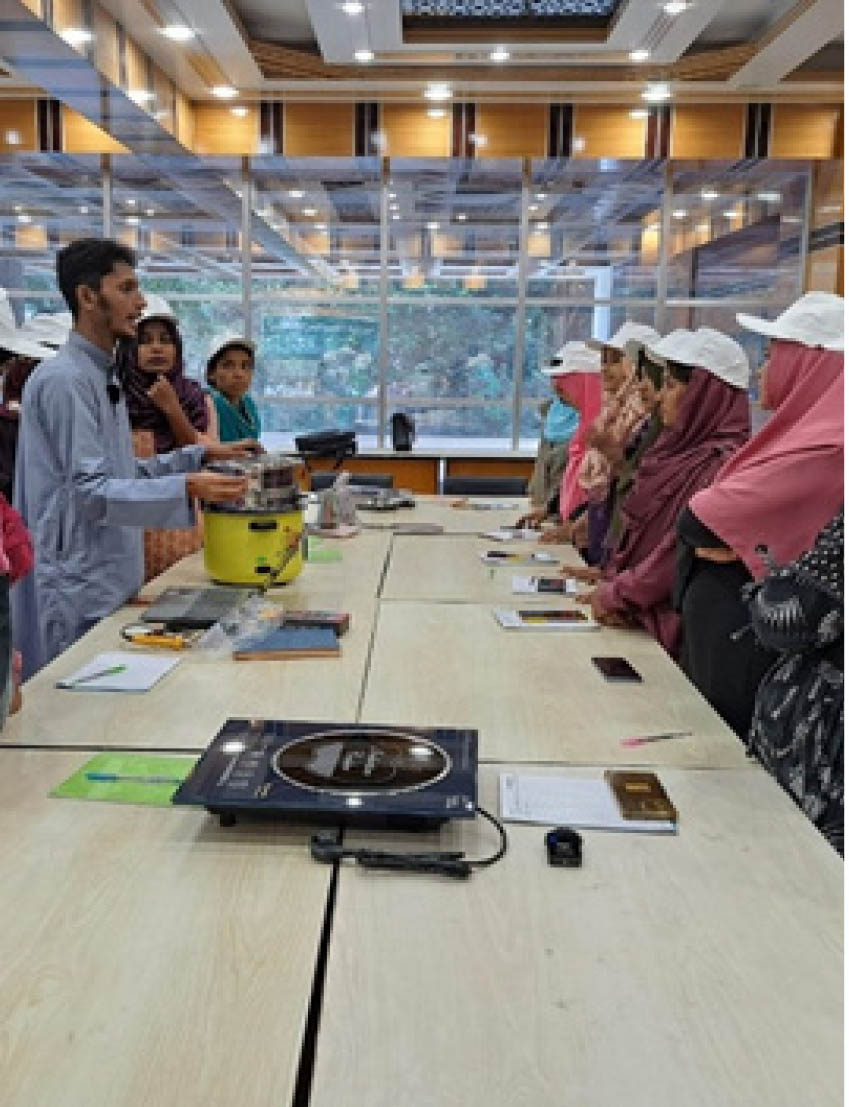
Electric induction cooker training and demonstration session with women participants

Objectives:

  • Support the transition from traditional stoves to modern clean cooking appliances among rural households.
  • Develop local entrepreneurs and technicians ("Tech Shathi") to sustain after-sales services and market growth.
  • Build market linkages with manufacturers and retailers to expand product reach.
  • Raise awareness of the health and environmental benefits of clean cooking technologies.
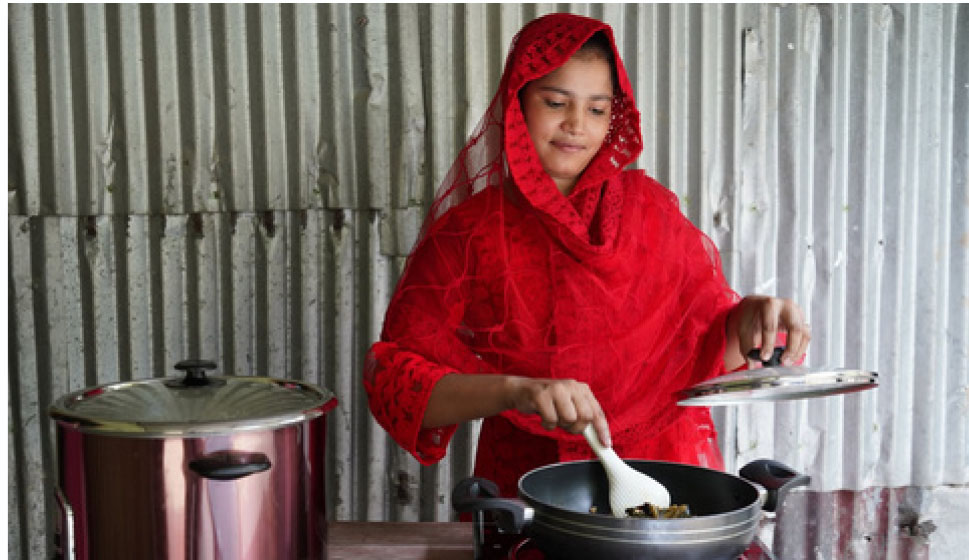
Woman smiling while preparing food on a modern clean cooking stove

Achievements:

  • Reached 4,000 households in 2024 and 12,000 households in 2025 through direct support.
  • Conducted 1,200 awareness and technical training sessions in 2024.
  • Held 200 demonstration/cooking sessions in 2025.
  • Helped Faridpur's women transition from traditional stoves to modern e-cooking appliances, reducing indoor smoke and saving time.
  • Trained local entrepreneurs and technicians ("Tech Shathi") who now provide after-sales service and sustain the clean cooking market.
  • Formed a market partnership with Singer Bangladesh Ltd., improving product visibility and increasing sales by 15–20% compared to 2024.